


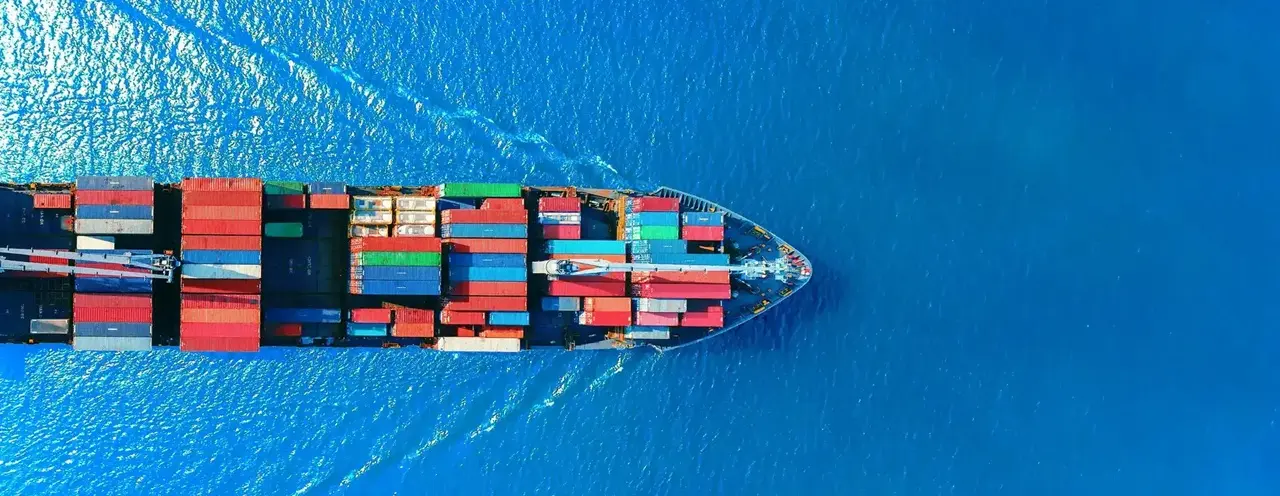
What Is Sea Freight?
Sea freight, also known as ocean freight, is one of the most cost-effective and efficient ways of moving large volumes of goods across the globe. It is widely used for commercial shipments, e-commerce imports, retail distribution, machinery transportation, and containerised cargo.
Businesses choose sea freight when they need reliable shipping at competitive rates, especially for international supply chains. At Clintopia Transport, we support FCL (Full Container Load), LCL (Less than Container Load), port-to-port, and door-to-door sea freight services.
How Sea Freight Works
Sea freight follows these core stages:
- Booking space on a vessel
- Container loading at origin
- Port handling and customs export clearance
- Ocean transit
- Arrival at a UK or international port
- Customs import clearance
- Final delivery by truck or rail
Clintopia coordinates the entire process, ensuring transparent tracking and timely updates.
FCL vs LCL: Which Is Right for You?
FCL (Full Container Load)
FCL is ideal when you are shipping enough cargo to fill a 20ft or 40ft container, or when you want the container exclusively for your goods. It offers the best value for volume shipments.
LCL (Less than Container Load)
LCL is useful for smaller shipments where multiple customers share a container. It is cost-effective but may include slightly longer handling times due to consolidation.
Benefits of Sea Freight
- Lowest cost per cubic metre for international shipping
- Suitable for bulky, heavy and palletised cargo
- Environmentally friendly lower carbon footprint
- Highly scalable for growing supply chains
- Supports hazardous goods and specialised cargo
What Influences Sea Freight Rates?
Key factors affecting sea freight pricing include:
- Container size (20ft, 40ft, HQ, reefer)
- Origin and destination ports
- Peak season surcharges
- Fuel surcharges (BAF)
- Port congestion
- Customs fees and documentation
- Handling at both origin and destination
For accurate rates, Clintopia provides tailored quotes based on your route, cargo and delivery requirements.
Global Supply Chain Disruptions & Delays
Events such as the Red Sea crisis, port congestion, labour strikes, and vessel shortages can impact transit times.
Clintopia monitors global shipping conditions to keep customers informed and adjust logistics plans where required.
Major UK Ports for Sea Freight
The UK is served by several key commercial ports including:
- Port of Felixstowe
- London Gateway
- Port of Southampton
- Liverpool
- Port of Tilbury
Clintopia operates nationwide, covering all major UK ports.
Sea Freight vs Air Freight
Sea freight is slower but significantly cheaper than air freight, especially for high-volume shipments. It is ideal for non-urgent goods and heavy cargo.
When Is Sea Freight the Best Option?
Choose sea freight when:
- You have 1–30 pallets or full containers
- Cost efficiency is a priority
- Your goods are not time-sensitive
- You require global shipping routes
- You want the lowest carbon footprint
Next Steps with Clintopia Transport
Whether you need FCL, LCL, port-to-door or international container shipping, Clintopia Transport provides reliable, competitively priced sea freight solutions tailored to your business.
Contact us for a quote: Get a Sea Freight Quote →